not consumed


IMG_4122Most people can probably picture baby Moses in their minds, tucked in a basket floating in some reeds or elderly Moses, staff in hand, with the wind blowing his white scraggly hair.   Maybe it’s harder to picture young-man-Moses, just married, out in the wilderness, herding sheep, a long way from home.


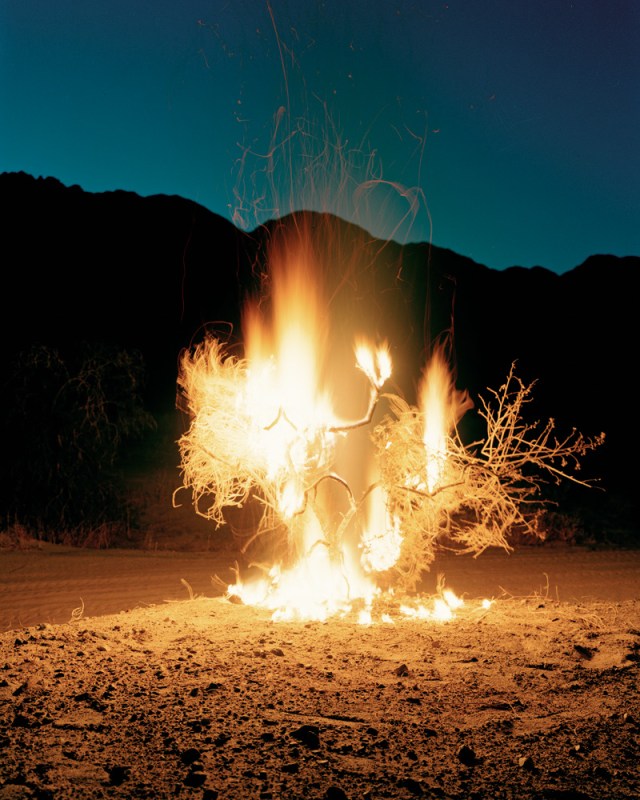
He turns and sees a bush that appears to be on fire, but not burning up, and instead of running away, he goes closer.


I’ve been thinking this week about God appearing in a bush that was burning but not burning up. Is the detail of it not being consumed important, or is it just to point out that it wasn’t a normal fire? Normal fires consume things.


Then I remembered other stories in the Bible about things not being used up – bottomless jugs of wine at a wedding, jars of oil and flour for making bread that don’t go empty. Both of these ‘not consumed’ stories are about blessing and life and courageous faith.


In my life, what do I know that isn’t being used up? As a consumer, most of my things are being consumed, bit by bit. Which are the things that last?


Last week as I was starting to get ready for a weekend away with some young people, I wasn’t sure where the inspiration to make it happen was going to come from. But then, as I started to put things together, the spark and the joy seemed to bubble up inside. On the weekend itself, I had a sense of being completely contented to be with everyone in that place. I’d thought that I was empty, but discovered that I was full.


It reminded me that a lot of things about God never run out: grace, gifts, forgiveness, second chances. God’s fire isn’t just like a normal fire. Neither is God’s wine or God’s bread or God’s love.
burning_bush

5 things

Don’t worry. I do realise that I look nothing like princess Leia in this photo. However, I was really pleased when, a little while ago, I noticed that my wedding dress looked eerily similar to the dress that princess Leia wore at the end of the first Star Wars film, when, as leader of the Rebel Alliance, she awarded medals of bravery to Luke Skywalker and Han Solo. Was that image of female dress elegance imprinted on my mind in 1977, only to subconsciously emerge in 1999 when I had reason to buy a white dress?

I like to think so. But it may be that I am seeing what I want to see.

Sometimes it would be nice to see what we want to see, instead of being dragged down by different emotions. At this time of year sometimes we want to feel more Christmassy, more generous, more gratitude than we actually feel. I know I do. When there is pressure to feel happy, it can sometimes be a bit self-defeating.

I really don’t know much about mindfulness but there is one easy exercise that I’ve had a go at a few times. The idea is to Notice Five Things. That’s it. It’s meant to help you connect with your environment and the present moment, rather than letting your thoughts whirl you away to fretting about the past or worrying about the future.

I may have got this wrong, but I think they can literally be any five things- whatever random things you notice.  I did this on a bus once, and believe me, there was nothing inspiring about my 5 things, but it helped me for a moment to stop worrying about whatever it was that had caught me up.

As a Christian, I think I’d like to take it a step further and add an element of thankfulness. Like Jesus’ words to his followers on the hillside: notice the birds and the wildflowers. Or, as in this paraphrase: ‘Give your entire attention to what God is doing right now, and don’t get worked up about what may or may not happen tomorrow. God will help you deal with whatever hard things come up when the time comes.’ (Matthew 6)

So here are 5 of my things from the last few days:


the sound of rocks being rolled  on the beach by the waves

watching melting candle wax

fitting in the final pieces of a jigsaw puzzle

piercing and removing the foil on a new jar of hot chocolate

the smell and satisfaction of sweeping up pine needles


May each moment of 2016 be a gift to us. (And may the force be with you.)

king

IMG_3995If you could only have seen what was inside my head, rather than how it turned out, I’m sure you would have been impressed. (Or maybe not.)


My friend, Corinne, had the fantastic idea to turn the shop windows in our town into a walkable advent calendar this year. Each participating shop was given a Christmas carol and a date for their display to appear and volunteers offered to help to make them.


Who wouldn’t want to have a go at a window display? I was given ‘York Wealth Management’ and ‘O Come All Ye Faithful’ and a few weeks to think about it. Straight away, some words in the first verse seemed to jump out at me: ‘born the king of angels’.


I know I’m not the only person who has been making the connection this Christmas between Jesus’ refugee family in first century and those who have been forced to leave their homes in the current refugee crisis. I thought it would be good if this window showed the glory of God but also the humility and desperation of the human family that welcomed him. That phrase, ‘born the king of angels’, has both glory and earthiness in it, I think.


Maybe it’s fitting, that the display didn’t turn out as neatly as I thought. Although, I had some excellent help from the boys and from our 15 year old friend, Laura, half of the angels have slipped, the tent broke and we weren’t able to hang our backdrop. I’m not absolutely sure that passers-by will know that we intended to show a refugee tent surrounded by God’s glory, but at least that’s what we meant to do. Even if know one else does, when we look at it, we will wonder about this king.


This sonnet (the title means King of Nations) by Malcolm Guite, expresses infinitely more powerfully the mystery of the one born the king of angels:


O Rex Gentium


O King of our desire whom we despise,

King of the nations never on the throne,

Unfound foundation, cast-off cornerstone,

Rejected joiner, making many one:

You have no form or beauty for our eyes,

A King who comes to give away his crown,

A King within our rags of flesh and bone.

We pierce the flesh that pierces our disguise,

For we ourselves are found in you alone.

Come to us now and find in us your throne,

O King within the child within the clay

O hidden King who shapes us in the play

Of all creation. Shape us for the day

Your coming Kingdom comes into its own.

happy


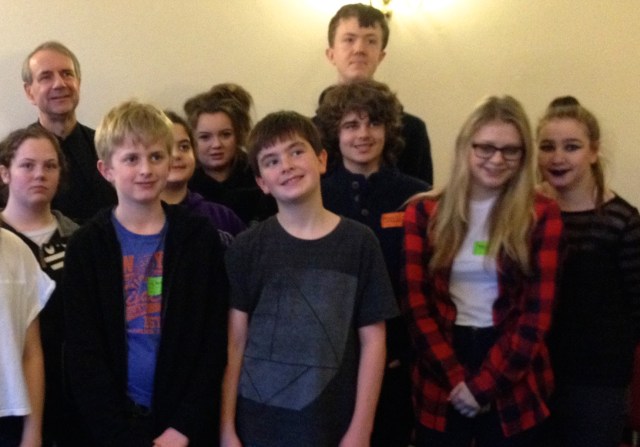
IMG_3917It’s probably not very often that I’ll be able to say that I spent yesterday with a group of 17 young people reflecting on happiness with a Benedictine monk.  Fr Christopher Jamison spoke about feeling good, doing good and knowing good and it felt like a gift to share the day with him.
What do you do to feel happy? That was the first question we were asked to consider. Listening to music, being with friends, eating junk food, playing electronic games and doing sport were among the things that people shared. It was clear that, on one level, we already knew what to do to feel happy – we didn’t need any help with that.

Fr Christopher pointed out that while all those things can be good, there is also a danger that having too much of many of them could lead to the opposite of happiness. If we depend on the feeling of happiness, what do we do when we’re low or lonely or out of money? Is happiness beyond our reach?

This brought us to the idea of doing good. What good have we done? We compiled a long list of things: supporting friends with mental illness and disabilities, helping at home, listening, giving things away, random acts of kindness. There was a general recognition that doing good can make us happy and certainly that we have within us the ability to bring happiness to other people.

Sometimes, though, we have to choose being feeling good and doing good. This video was a good illustration of the kinds of decisions that life brings us: https://www.youtube.com/watch?v=sqW84jSlFLk

In the afternoon we considered knowing good and so we settled ourselves down for 5 minutes of silence, contemplating the phrase from the psalms ‘be still and know that I am God’. Perhaps more than the word ‘happiness’ can describe, connecting with God can be a great source of joy, as we become aware of our desire that has been for God all along.

I don’t know about the young people but the question that I was left with at the end of the day was: if we know where we can find happiness, why don’t we go there more often? Why do we fool ourselves and so often try to take a shortcut to a partial happiness with shopping, food and drink, and any kind of escapism? It’s not that these things aren’t good; it’s just that we try to satisfy ourselves with them when we know there is more. More happiness. More good to know.

These are probably quite tricky concepts for a teenager to take on board especially when we are surrounded by the message that happiness can be bought or easily obtained. I know I am far from having perfectly good habits myself. But what a gift it would be if we could become aware of the source of true happiness; belonging to the one who loves us and re-makes us to enjoy all the goodness there is on offer.

https://www.youtube.com/watch?v=KGlx11BxF24


finding happiness book


from the crown of my head to the soles of my feet

IMG_0075
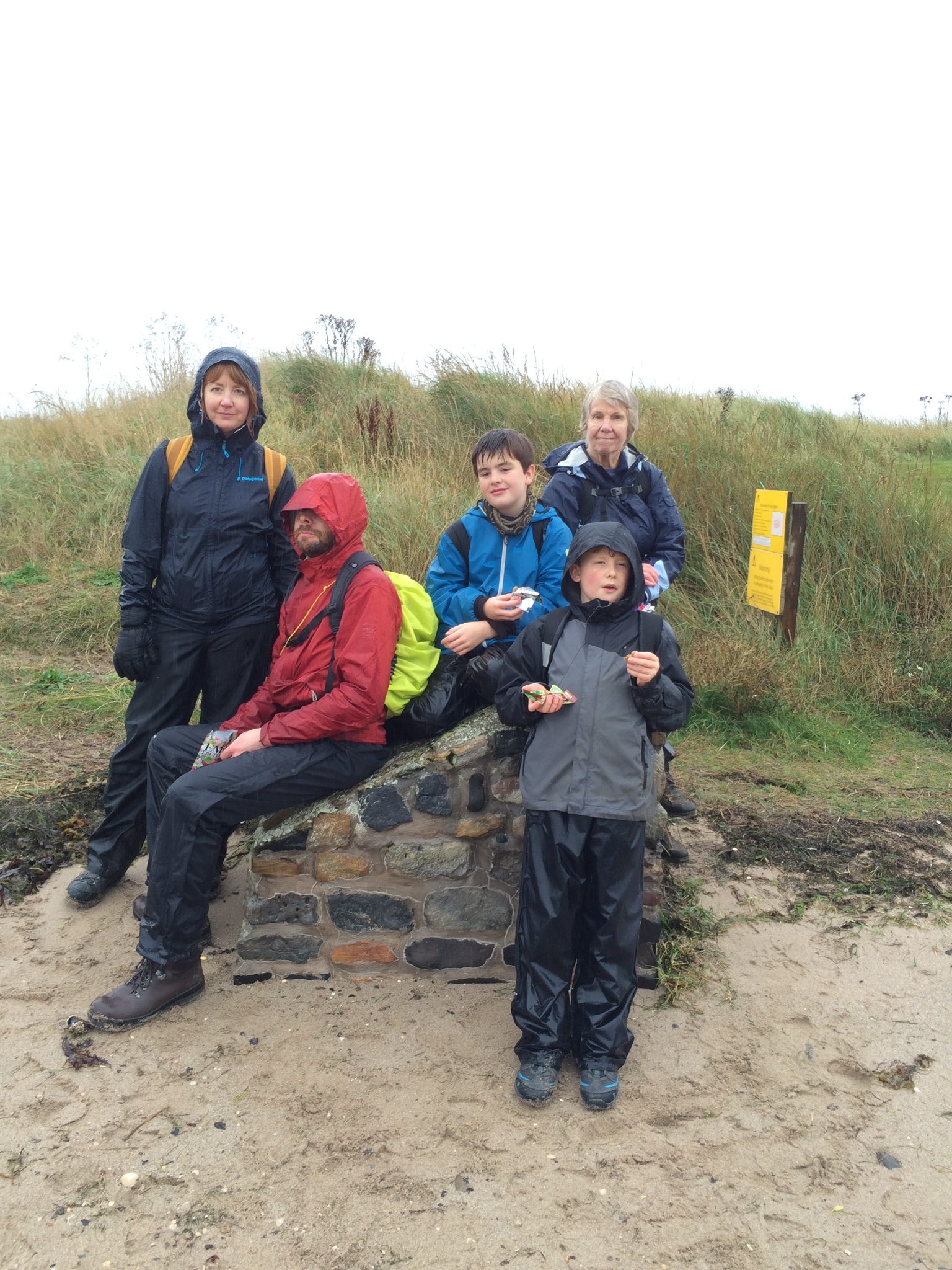
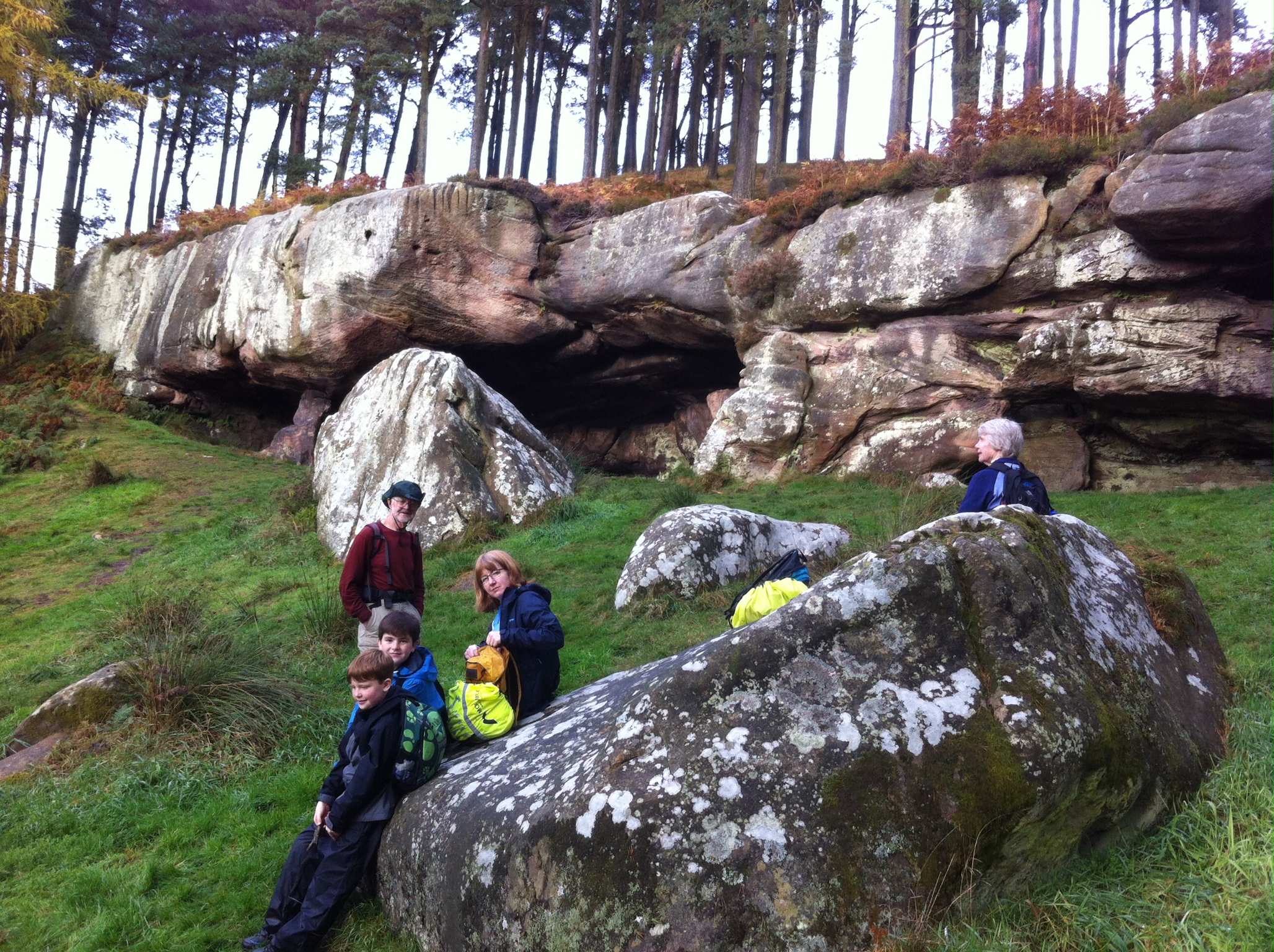
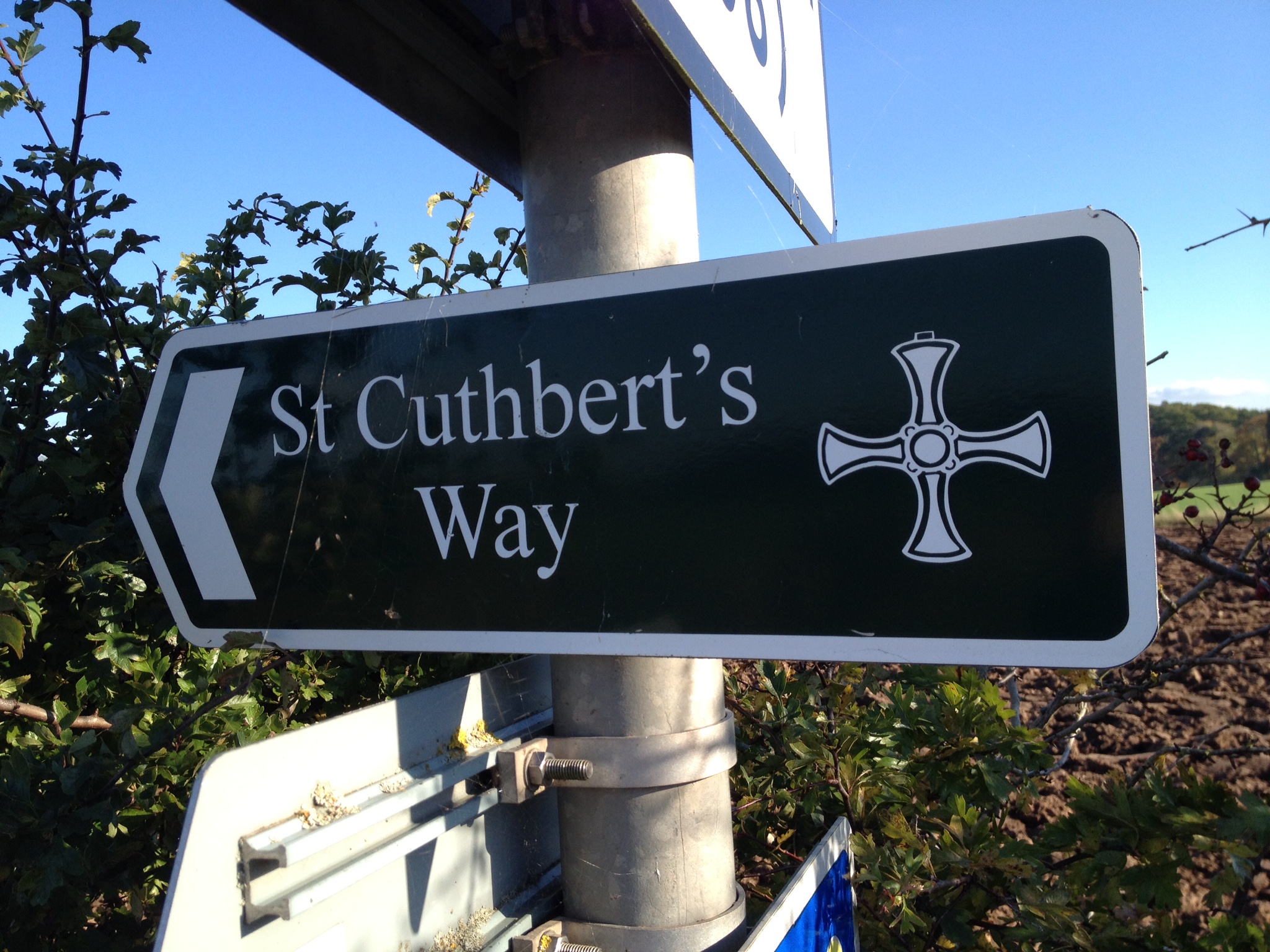
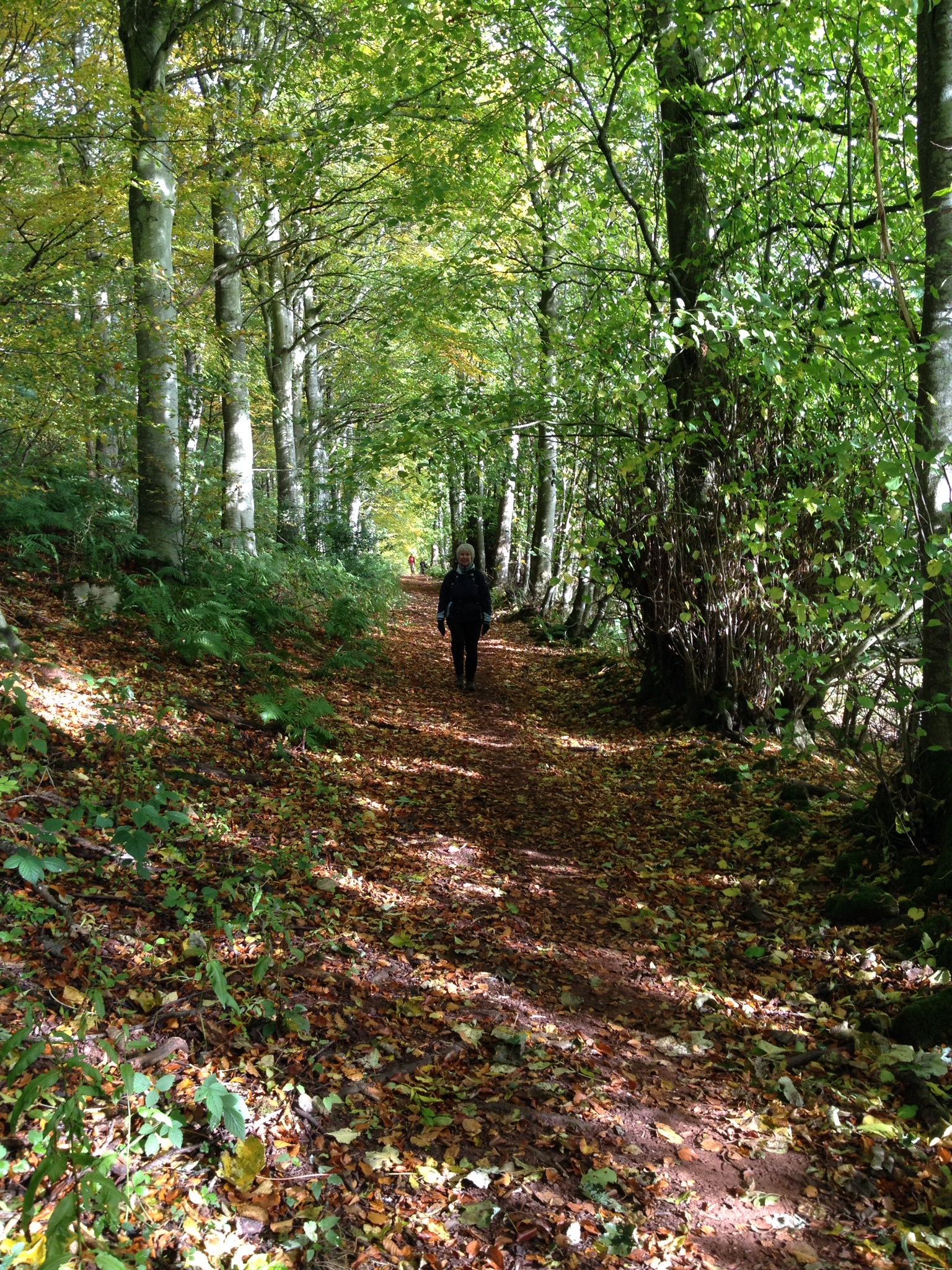
I’m not sure yet what to say about our pilgrimage on St Cuthbert’s Way to Holy Island this week, so instead, I think I’ll just post some photos that help to tell the story of our three-generational, 63-mile walk.

I’m mulling over a couple of things that surprised me, though. I couldn’t quite believe it myself, but there was hardly any complaining on our walk, despite some very long days and some patches of heavy rain. That was, until the very last bit, the part of the journey I’d most been looking forward to, when we walked across the sands on the pilgrim’s path to Holy Island.

For some reason, in my mind, that part was going to feel mystical as we walked across where the sea had been, only a few hours before, to the island, following the ancient pilgrim route. But that was the very moment that the complaining set in – literally on our final 3 miles. Why?

The other thing that surprised me was how sad I was that it was over. I haven’t done 7 consecutive days of walking in a long time and there were moments when it was quite physically demanding. I was expecting to feel happily relieved as we made it to our destination. Instead, I didn’t want it to be over.

Perhaps part of what lies behind both of these things is that this week we were caught up uniquely in a shared purpose and that it felt good to be pulling together towards the same goal. When that began to disappear, we didn’t quite know what to do with ourselves.

We used a Celtic prayer this week with the words ‘from the crown of my head, O Trinity, to the soles of my feet, mine offering be’. Involving all of ourselves this week and doing so together has been amazing.

IMG_0009

IMG_0011

IMG_0042

IMG_0093

IMG_0029_2

IMG_0024

IMG_0014

IMG_0066

IMG_0056

IMG_0028_2

IMG_0076

IMG_0052

IMG_0095

IMG_0093

IMG_0092

IMG_0143

IMG_0117

IMG_0125

mess

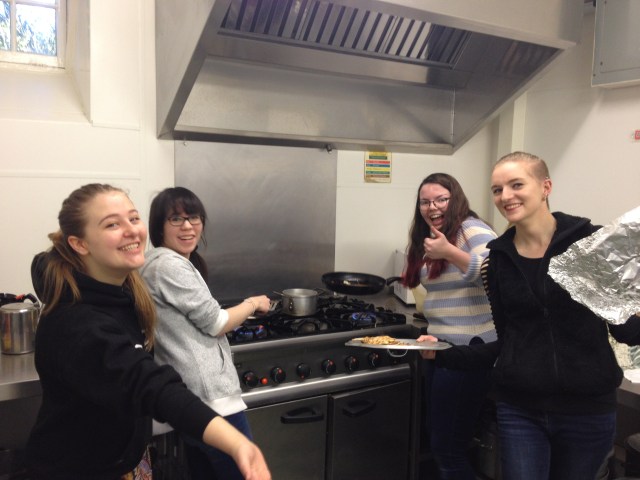
12091213_10207625903868501_2918391643308898138_oMaybe my standards are slipping, or maybe that’s just what happens when life gets busy, but I am nowhere near as tidy as I used to be. I’m telling myself this morning that this OK, that there are other things that are more important than sorting through the accumulated stuff on the kitchen table.

I’m backed up in this by Psalm 84 which describes ‘God’s house’ which is majestic and beautiful in every way also as a place where ‘birds find nooks and crannies… and sparrows and swallows make nests’ laying eggs and raising young, ‘singing their songs in the place where we worship.’ Nice in some ways, but what a mess!

I can understand how some people really value order and organisation (and I’m a little bit jealous, really) but I have a sneaking suspicion that God’s not as much of a fan of neat and tidy as we sometimes think. Mike Pilavachi is known for saying ‘it’s messy in the nursery, and neat and tidy in the graveyard’. If things are messy, maybe there are potential signs of life.

As adults, we get used to presenting a sorted-out front, with a neatly crafted ‘Linked in’ profile and a shiny car (or house. It is a matter of contention here whether a clean car or house is more important).

One of the things that I love about young people is that categories are sometimes more blurred; different bits of life leak into one another more obviously. Because, maybe, life feels messier to them in the first place, they are more open to explore, reflect and ponder.

I was in Whitby at the weekend with a fantastic group of young people, where we spent an hour on the beach one morning. We went off on our own with a Psalm, some questions and a sand-drawn labyrinth. That was it. And yet I sensed that God met each of us there in the mess of wet sand, dog-walkers and seaweed.

It might be a stretch, but I too want to see more of God in the mess.
12091474_10207625899028380_1830930356161862106_o

12094951_10207625977390339_8791300485767013697_o

12091207_10207625917188834_8472283754132816846_o

12094932_10207625907948603_301150787533410041_o

look

IMG_3534

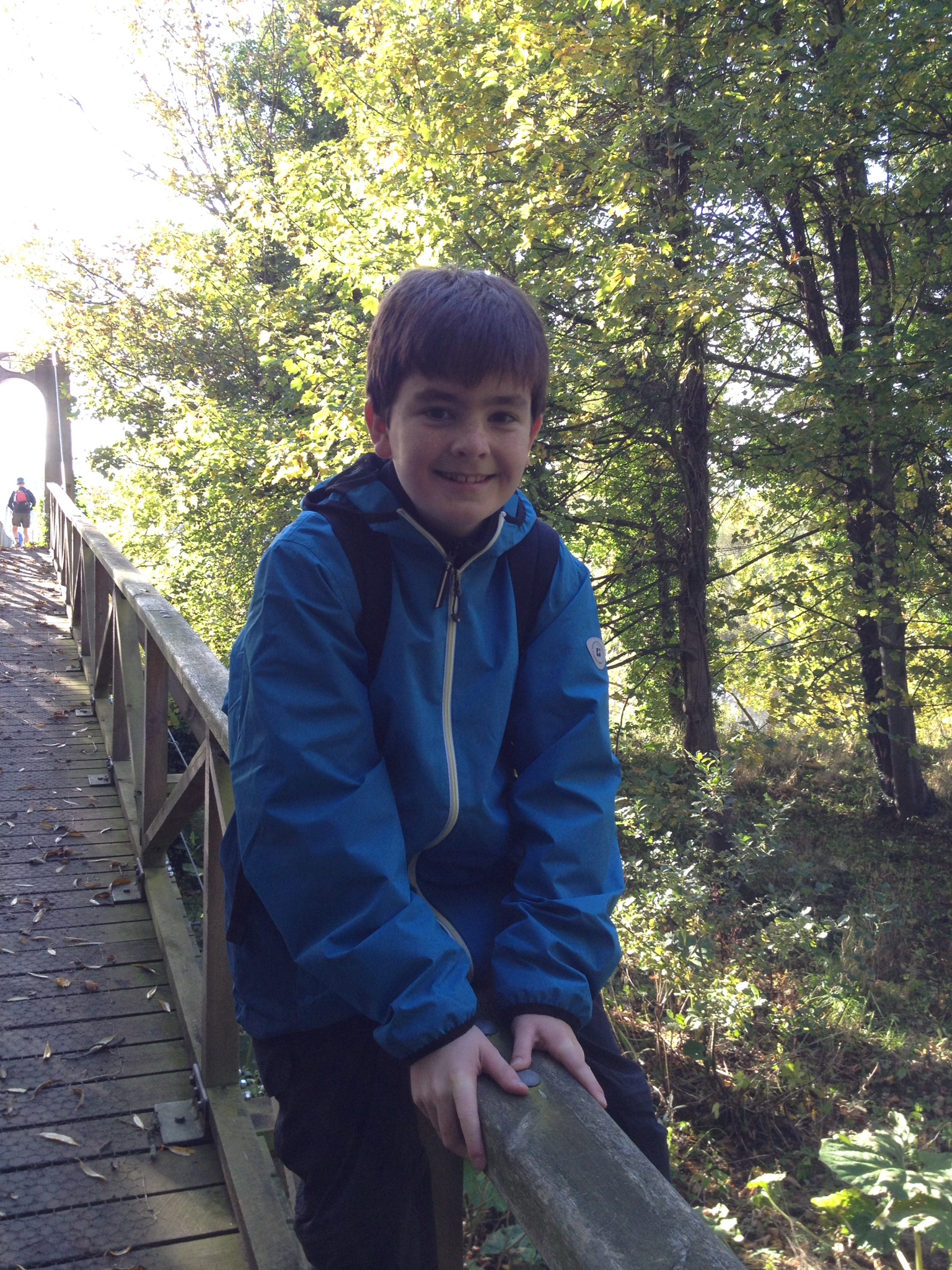
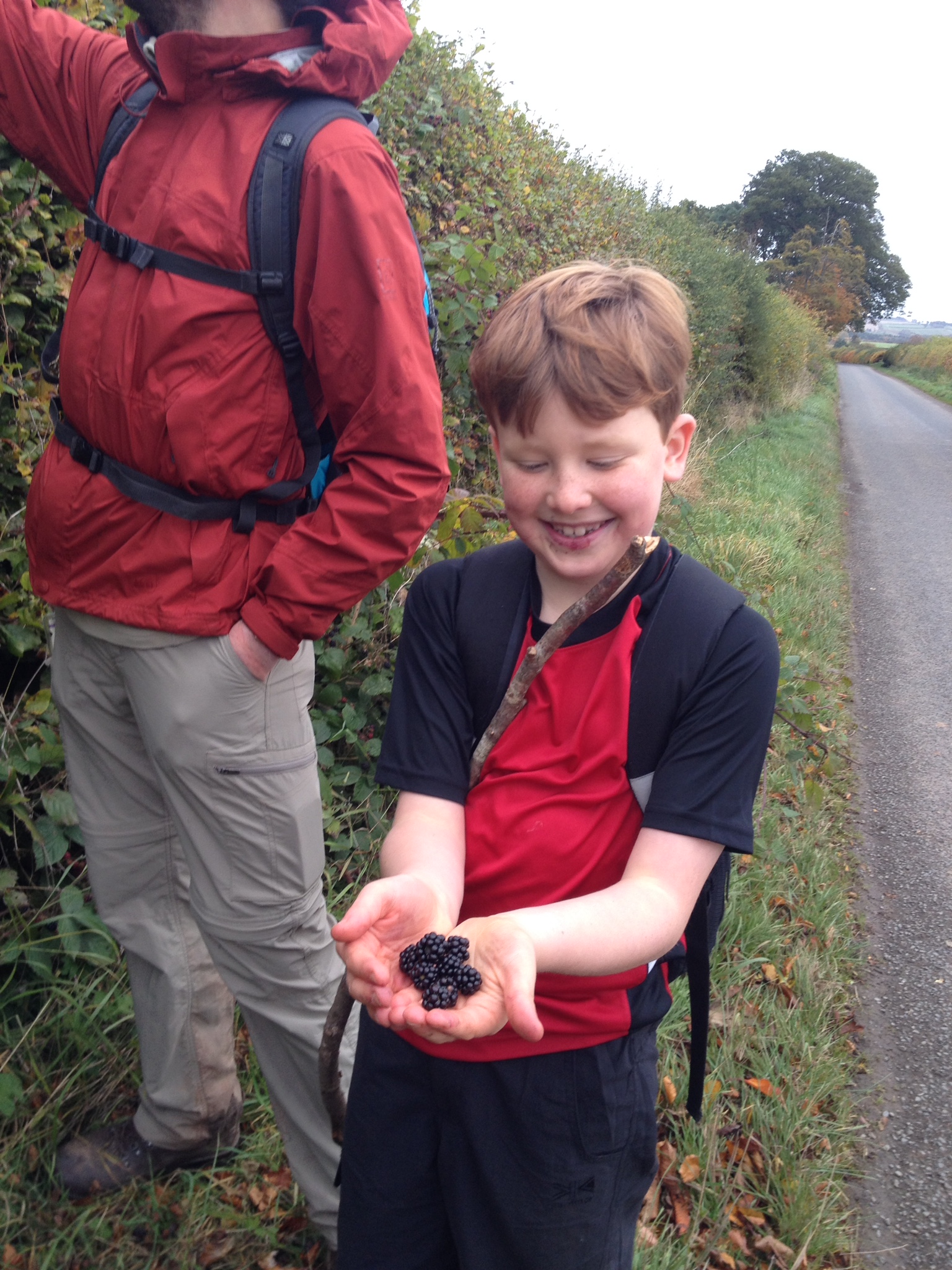
It’s getting a bit harder these days to convince the boys that they enjoy walking, although, despite all their protests, I’m pretty sure they secretly do. I’m also getting resigned to the fact that if we put up with some moaning in the first half of a walk, we will have forgotten all about it by the second half. (Otherwise why would I try to take them on a walk again?)

Yesterday we went for a walk that starting in Millington. In the small parish church there is a beautiful modern stained glass window that shows two of Jesus’ friends basically ‘doing a runner’ after the crucifixion when they meet a stranger who they don’t recognise to be Jesus himself. That walk and that conversation and especially the meal they had afterwards completely changed their perspective and their lives.

It reminded me of a book I read this summer called ‘Woo’ by Morgan Schmidt that has as its premise the idea that all of us have desires within us that ultimately lead us towards God.

In part of the book she points out that ‘the most meaningful, transformative, formational moments…are rarely planned and seldom predicted’ but are ‘… the product of intentional serendipity. They simply happen – just like we’d hoped and prayed and expected them to happen.’

I just love that phrase ‘intentional serendipity’ as if it’s a giant game of hide and seek but that God actually wants to be found. The two men walking along the road weren’t expecting to meet God there.

In the story of the Lost Son in the Bible, there’s a moment when the son who runs away is described as ‘coming to himself’. When he came to himself, he became aware that where he was wasn’t where he wanted to be (broke and feeding pigs). His own ‘wants’ led him to begin the journey home. No one had to suggest to him that it might be a good idea.

On our walk yesterday, I had to hold on to the likelihood that the complaining would eventually stop and that we would actually enjoy being together in the fresh air on a beautiful day surrounded by amazing scenery. Maybe it just took a while for us to ‘come to ourselves’. I’m beginning to realise that what we really want isn’t always as easy to pinpoint as we think. However, those moments of ‘intentional serendipity’ are there, just waiting to be seen when our eyes are open.

IMG_3531

fishing

IMG_3261

Having been pretty much always as un-cool as I am now, I don’t know that much about the band, Oasis. However the other day, I heard an extraordinary interview with its former principle song writer, Noel Gallagher.

When asked about where his songs come from, he said,

‘I still believe that there’s just someone up there and they’re just dropping songs all over the place. And if I’m not ready to catch them, Chris Martin is getting them and Bono is getting them and they’ve had enough. … I do it everyday, you know what I mean? I’m there fishing in the river for the songs.’

I really loved that image of song-fishing; with its combination of intentionality and giftedness. The songs are just there, swimming around, waiting for someone to want them.

What do I want so much that I’d be willing to go fishing for each day?

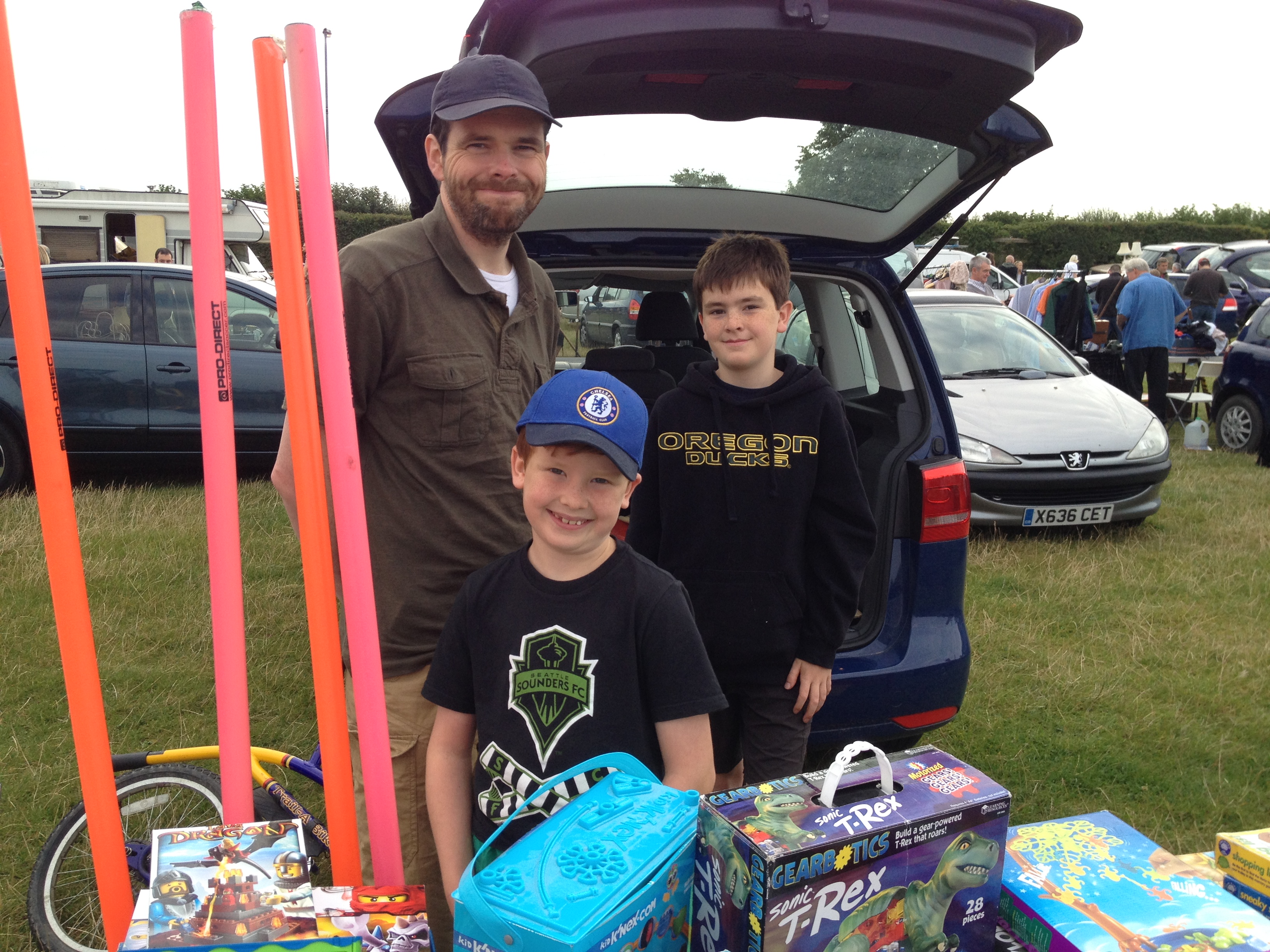
We were caught up in the raw edge of human desire yesterday. We’d decided, as a family, to try our hand at selling some un-wanted things at a car boot sale. (Non-British friends, this is a bit like a yard sale, except it happens in a big field with lots of other people selling what can fit in their cars.)

We’d been warned about this by some friends, but the moment we parked and started unpacking things, we were pounced on by some pushy people who attempted to take things out of our hands, demanding to know if we had different kinds of toys for sale. Two women got into quite a loud argument about which one had asked us if we had any Lego first. All this at 7am.

People who want something badly enough don’t mind sniffing out the first-time car-boot sellers. They spend ages looking through old Match Attax folders, looking for rare cards. For some it’s a bit of a game, for others, it might be their livelihood, but you have to admire their desire and their dedication (if not their rudeness).

A book that I recently read, called ‘Woo’ by Morgan Schmidt, suggests that all of our good desires lead us to God. Our human hearts are made to long for the source of love, even if we don’t realise it. As St Augustine wrote, ‘our hearts are restless, until they can find rest in you’.

I don’t know about you, but I don’t go fishing enough. I don’t spend enough of my life waiting for the one who I really long for. Perhaps another thing that Noel Gallagher said about music could also be said about all of our God-given giftedness:

‘Music is a thing that changes people’s lives. It has the capacity to make young people’s lives better. You’ve got a duty to make music. If you can, you should.’

*This may only be available in the UK but if you’d like to listen to the interview yourself, you can at: http://www.bbc.co.uk/programmes/b062hplj

ground

10806_493367677493306_1526797555035502900_n

Growing up in California in the 1970’s, I remember being intrigued that the parents of my best friend, Cari, had a waterbed. I can remember the very odd feeling of flopping on it and waves continuing to roll for quite a few seconds afterwards. It was strangely un-solid for a piece of household furniture.

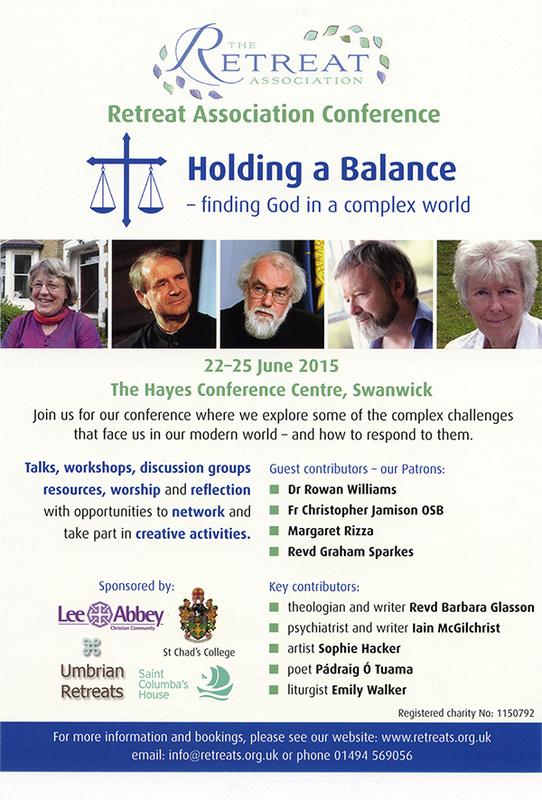
Life sometimes feels a bit wobbly as if we’re trying to stand on a waterbed. I’ve been thinking about this because I went to a conference last week that was about trying, in this complex world, to find balance. There were some brilliant talks and I took lots of notes but the simple word that kept coming back to me was ‘ground’.

Ground isn’t something that I normally notice. I’m usually focussed on where I’m going, and, with shoes on, it doesn’t really matter too much what I’m walking over. But where would we be without something solid and unchanging beneath our feet, and gravity to keep us there? (Well, maybe I should say usually solid and unchanging, I grew up in California so I know what earthquakes feel like.)

Sometimes people have suggested, when praying, to plant your feet firmly on the ground, to be aware of its support and to pray from the ground of your being. I’ve heard that the root of the word ‘humility’ is to do with being rooted to the earth and so there is a sense of being aware of how connected we are to God’s creation.

Modern life can be complex and chaotic. How can we hold our ground enough to help turn the chaos into something creative? It’s interesting that in the stories we have about Jesus in the Bible, that it is often the most unbalanced people who seem to recognise who Jesus is, the grounding that he offers them.

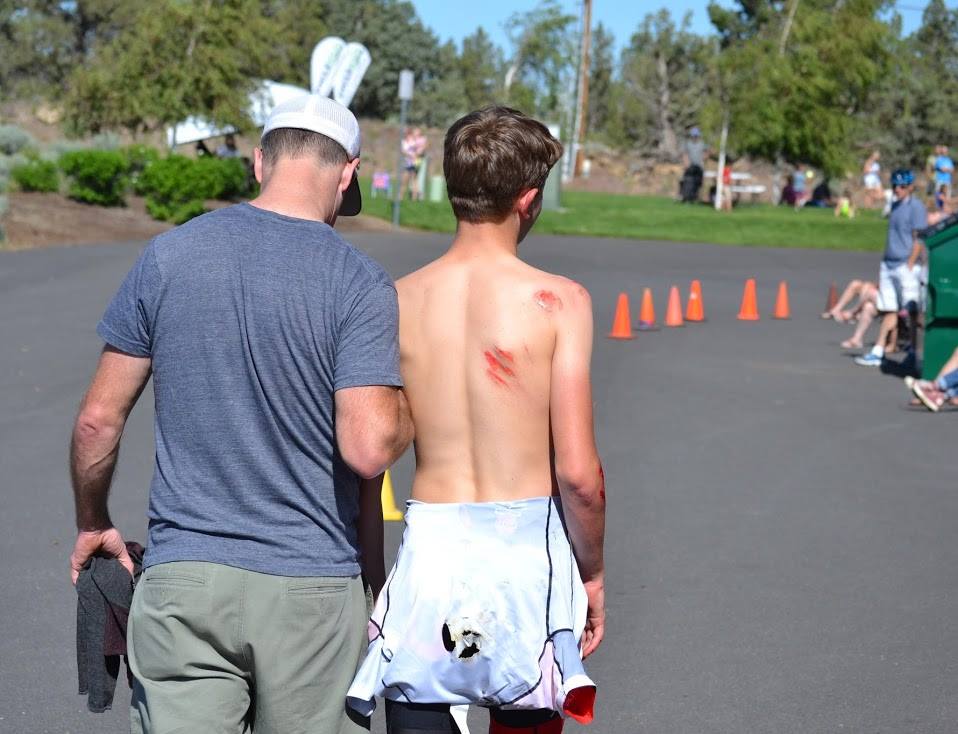
The photo at the top was taken of my nephew after he was involved in a crash very near the finish line of a cycle race, with his dad, my brother, walking beside him. It speaks to me powerfully of a God who comes alongside us when life unbalances us, holding us up, showing us love. In these summer months, I’m going to try to pay more attention to the ground beneath my feet and the one who walks beside me.

RA conference

grace

What do grey squirrels, chinchillas, porcupines and toucans have in common? Apparently, they all have a potential life span of 20 years.

Komarno,_bridge,_front_view

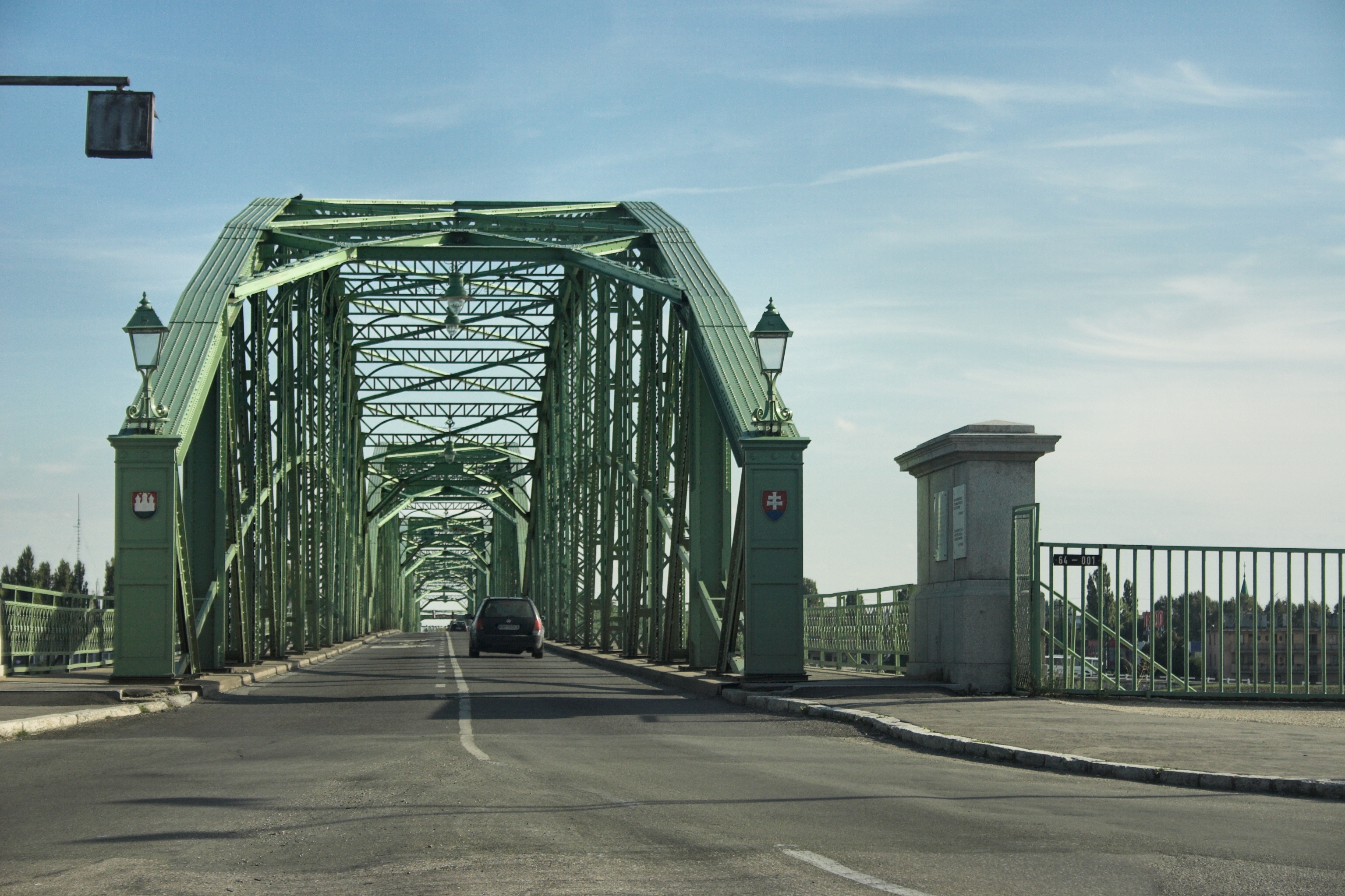
In some ways, 20 years ago feels like a whole life away for me, as well. 20 years ago, I was living in Komárno, Slovakia, teaching English in a Hungarian high school, with no idea whatsoever of what the future would bring.

Last week, the rest of the family joined me for my first visit back. It was overwhelming. From the first glimpse of the town from across the Danube, to the familiar streets and smiling teachers, my heart was brimming over.

There is an idiom, I think, about the years not being kind. We all know what that means in terms of aging, but maybe it can be misleading.

IMG_2897

Only the passing of time can test our resilience, our faith, the desires of our hearts, a beauty that comes from a life well-lived. It was wonderful to meet students who weren’t even born the last time I was there and equally humbling to meet again a former student and to speak about the faith we share.

IMG_2906

In some ways, I have never stopped loving my friends in Komárno, though maybe it took this trip to build up the bridge again. We aren’t left unchanged by encounters like these and I know as a family that we will be talking about our trip for some time to come. Last night it felt right to pray for those we had met on our ‘prayer stair’.

IMG_2973

Like an old friend, God’s grace welcomes us home again and again, accepting our limitations and rejoicing in our company. In this sense, the years are very kind indeed.